Complete Guide to Quality Fence Installation Austin
Wood, Vinyl, or Chain Link? Discover the Best Fencing Options for Your Needs
When exploring fencing solutions, homeowners are presented with a variety of options. Chain link, wood, and vinyl each present particular strengths and weaknesses. The decision copyrights on elements including budget, aesthetics, and maintenance. Grasping these aspects is crucial for selecting the most suitable option. What might initially seem straightforward can rapidly grow complicated as individual needs and preferences come into play. Investigating these factors will determine which fence option most closely matches particular needs.
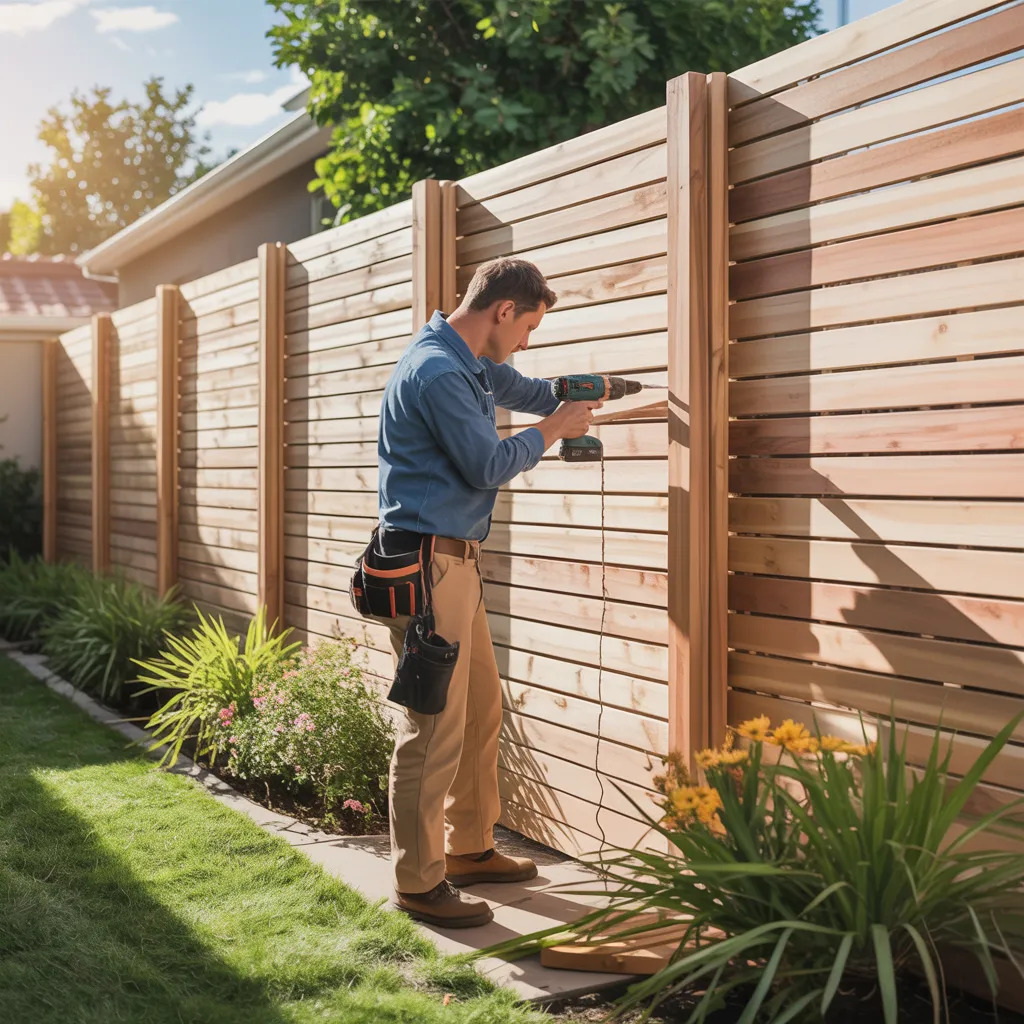
How to Select the Perfect Fence for Your Requirements
When considering how to select the most suitable fence for one's needs, multiple key considerations are involved. Initially, the principal function of the fence should be determined. Whether for privacy, security, or boundary delineation, understanding the main objective guides the selection process. Additionally, the type of material used matters greatly; options like wood, vinyl, and chain link each offer unique benefits and drawbacks. Beyond that, regional weather conditions and upkeep demands must be taken into account, as not all materials perform equally well under various weather conditions. The visual appeal is equally important, as the chosen fence ought to harmonize with the property's overall look. Lastly, applicable zoning rules and property boundaries need to be checked to ensure adherence to regulations and prevent conflicts. By evaluating these factors, property owners are able to reach well-informed conclusions that suit their individual requirements, ultimately leading to a satisfactory fencing solution.
Comparing Costs: Wood, Vinyl, and Chain Link Fencing
When comparing fence materials, cost plays a crucial role in decision-making. Initial installation costs, long-term upkeep costs, and potential resale value must be carefully evaluated. Every material—chain link, wood, and vinyl—carries distinct financial implications that can influence overall investment.
Initial Setup Expenses
Upfront installation costs for fencing may fluctuate considerably based on the choice of material, with wood, vinyl, and chain link presenting distinct financial implications. Wood fencing typically incurs moderate costs, shaped by both the wood variety and installation labor. Vinyl fencing, despite its higher upfront cost, offers lasting aesthetics and resilience that many homeowners consider worth the investment. In contrast, chain link fencing is typically the most budget-friendly choice for upfront installation, making it a popular selection for cost-sensitive endeavors. Nevertheless, the selection process should weigh not only upfront costs but also the desired function and aesthetic goals, as these elements can substantially affect the overall return on the investment.
Ongoing Maintenance Expenses
Ongoing maintenance expenses can greatly influence the overall value of a fencing expenditure. Timber fencing generally needs regular upkeep, including painting or staining every couple of years to prevent rot and warping, leading to higher ongoing expenses. PVC fencing, while costlier upfront, often proves cost-effective over time, as it requires minimal maintenance; routine cleaning is generally all that is needed. In contrast, chain link fencing is the most economical option regarding ongoing upkeep. It usually demands not much beyond periodic rust prevention and cleaning to preserve its look and structural soundness. Homeowners ought to weigh these extended expenses when choosing a fence type, as they can substantially impact the full financial commitment over the years.
Resale Value Considerations
Fence selections can markedly influence a property's market value, making it essential for homeowners to consider their alternatives wisely. Wood fencing, while timeless and attractive, may need additional care, which can put off interested buyers. Vinyl fencing delivers a balance of durability and low upkeep, drawing in buyers looking for low-maintenance choices. Nevertheless, its initial cost can be higher than wood or chain link. Chain link fencing, the most budget-friendly selection, may not provide the same visual appeal, potentially affecting buyer interest. Ultimately, the choice should reflect market trends and neighborhood standards, as attractive fencing can boost curb appeal and draw in buyers, while unsuitable options could reduce the property's overall worth.
Advantages of Wood Fencing
Wooden fencing delivers many benefits making it a popular choice for homeowners. One of its primary benefits is its aesthetic appeal; wood fencing can improve the visual beauty of any residential property, suiting a wide range of architectural styles. In addition, wood offers excellent customization options, permitting a range of designs, heights, and finishes to suit individual preferences.
An additional key advantage is its inherent insulation qualities, which can help reduce noise and increase privacy. Wood fencing is also eco-friendly, as it is a sustainable resource that can be ethically obtained. Moreover, wood can be treated and maintained to guarantee longevity, with consistent care maximizing its durability.
Cost-effectiveness is another factor, as wood fencing often presents a reduced initial expenditure than many alternative materials. In summary, these characteristics make wood fencing a practical and desirable solution for individuals aiming to mark and enclose their property.
Benefits of Vinyl Fencing
Vinyl fencing delivers significant advantages, particularly in the minimal upkeep it demands. Unlike wood, it resists rotting, warping, and pest damage, guaranteeing long-lasting durability. This positions vinyl as an ideal solution for homeowners seeking a reliable and enduring fencing solution.
Low Upkeep Requirements
Opting for a low-maintenance fence option can considerably lighten the load of ongoing care. Vinyl fencing stands out for its minimal maintenance requirements. As opposed to wood, which commonly demands staining or painting, vinyl preserves its color and look without those treatments. It is resistant to rot, rust, and insect damage, eliminating the need for frequent repairs or replacements. Maintaining vinyl through cleaning is uncomplicated, needing just a basic wash with soap and water to clear away dirt and debris. This not only preserves time but also cuts down on the long-term costs linked to upkeep. Homeowners can enjoy the aesthetic appeal of vinyl fencing without the constant attention that other materials demand. At its core, vinyl fencing delivers a convenient choice for those in search of a trouble-free outdoor barrier.
Strength And Lasting Power
As many fencing options struggle to withstand the test of time, vinyl fencing offers exceptional durability and longevity that makes it a standout choice for homeowners. As opposed to wood, which may rot, warp, or become infested with pests, vinyl is unaffected by these concerns, keeping its aesthetic appeal and structural soundness for decades. It resists moisture and UV exposure, protecting against fading and degradation. Moreover, vinyl eliminates the need for painting or staining, contributing to its prolonged durability. Many manufacturers provide warranties that guarantee durability, often extending up to 25 years or more. This durability positions vinyl fencing as both a budget-friendly investment over time and a dependable option for those in search of a low-maintenance and enduring fencing solution.
Key Advantages of Chain Link Fencing
Chain link fencing offers an effective option for homeowners looking for protection and clear sightlines without compromising budget. Its transparent design helps residents preserve clear views while protecting their property. These fences are highly desirable for residential, commercial, and industrial spaces, providing a safe environment without blocking sightlines.
In addition, chain link fences are highly customizable, available in multiple coatings, heights, and gauges, allowing for personalized options to meet unique needs. The setup process is usually faster and more efficient than other options, lowering labor expenses.
Moreover, chain link fencing proves highly durable against diverse weather elements, ensuring its longevity over the years. Its low maintenance requirements further enhance its appeal, as periodic cleaning is typically all that is needed to keep it looking its best. To sum up, chain link fencing merges budget-friendliness, usefulness, and flexibility, making it a popular choice for many property owners.
Upkeep Requirements for Various Fence Types
Preserving a fence requires an understanding of the distinct needs connected to various materials. Wood fences require regular treatment to prevent rot and insect damage, typically necessitating a stain or sealant every few years. Vinyl fences are relatively easy to maintain, demanding only infrequent cleaning with mild soap and water to wash away dirt and staining. However, it is essential to inspect for cracks or fading periodically.
Chain link fence installations require minimal maintenance; a quick rinse with a garden hose is generally sufficient. Nevertheless, rust can appear when the protective coating is breached, requiring regular inspections and touch-ups with a rust-resistant coating.

Common Questions and Answers
What Is the Typical Lifespan of Each Fence Type?
Generally, wood fences last 10 to 15 years, vinyl fences typically last between 20 and 30 years, and chain link fences can typically endure between 15 and 20 years, depending on maintenance and environmental conditions.
Can I Install These Fences Myself?
Indeed, people can set up these fences without professional help, although the complexity differs. Common tools along with installation manuals are usually adequate, but expertise may be necessary for accurate measurements and properly fastening materials to ensure durability.
What Color Selections Are Available for Vinyl Fencing?
Vinyl fencing can be found in many different colors, including in-depth guide white, tan, gray, and beige. A number of manufacturers even offer unique colors or finishes, enabling homeowners to select choices that align with their personal style.
Do These Materials Raise Any Environmental Concerns?
Environmental concerns arise with specific fencing materials, particularly regarding their manufacturing and disposal processes. Vinyl can release harmful chemicals, while wood sourcing may contribute to deforestation. Chain link, which is generally constructed from recycled materials, creates fewer ecological problems.
How Do Local Zoning Laws Affect Fencing Choices?
Municipal regulations heavily affect fence selection, often dictating material, placement, and height. Residents are required to check homeowners' association guidelines and zoning laws to confirm conformity, avoiding potential fines and required alterations to their fencing projects.